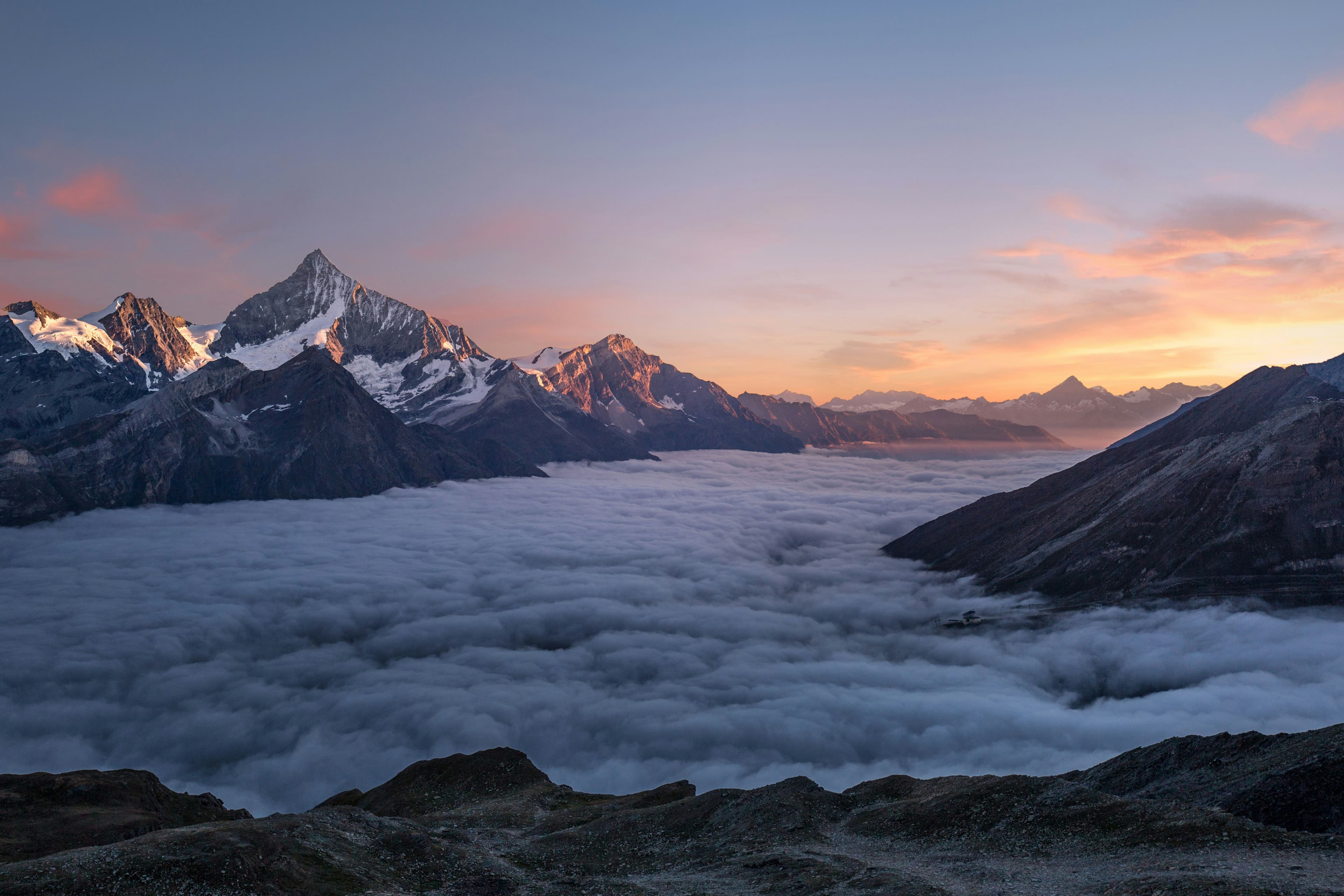
Choosing the right time to trek in Nepal can significantly impact your journey. With four distinct seasons spanning sub-tropical valleys to arctic mountain passes, timing determines your trail conditions, mountain vistas, and daily trekking comfort.
When Is the Best Time to Trek in Nepal?
Nepal's trekking calendar is defined by two primary peak windows: Autumn (September to November) and Spring (March to May). During these months, stable weather systems bring mild temperatures, dry trails, and the clearest views of the Himalayan giants.
While autumn and spring dominate popular routes, Nepal remains an exceptional destination throughout the entire year when you match the right region to the season—including rain-shadow desert treks in summer and lower-elevation foothill journeys in winter.
October and November for peerless mountain clarity · March and April for blooming rhododendrons and warmer alpine ridges
Autumn: September to November
Autumn is widely considered the golden season for trekking in Nepal. The summer monsoon rains taper off by late September, leaving the atmosphere dust-free, the valleys lush, and the skies crystalline.
Why Trek in Autumn?
During autumn, daytime temperatures are moderate and comfortable for hiking, while precipitation reaches its annual low. Mountain visibility is at its absolute best, making it the premier window for photography and high alpine pass crossings.
- Crystal-clear mountain views: Sharp, unobstructed panoramas of eight-thousanders like Mount Everest, Lhotse, Ama Dablam, and the Annapurna massif.
- Comfortable hiking temperatures: Mild valley days (15°C to 22°C) with brisk, crisp evenings.
- Dry, well-maintained trails: Stable terrain and low humidity following post-monsoon trail clearings.
- Festive cultural energy: Experience Nepal's most revered national celebrations, Dashain and Tihar.
Iconic high-altitude routes such as the Everest Base Camp Trek and Annapurna Base Camp Trek.
What to Expect
Because autumn delivers near-perfect conditions, it is also the most popular time of year. Major trailheads and tea houses experience peak demand, especially through Namche Bazaar and the Annapurna Sanctuary.
Domestic flights (such as Kathmandu/Ramechhap to Lukla) and preferred lodges fill up quickly. Reserving your trek 3 to 6 months in advance ensures guaranteed departures and optimal accommodation.
Spring: March to May
Spring is Nepal's second classic trekking season. As winter recedes, temperatures warm up, daylight hours lengthen, and sub-alpine rhododendron forests burst into vibrant bloom across the foothills.
Why Trek in Spring?
The hallmark of spring trekking is the spectacular floral display. Entire hillsides between 2,000 and 3,200 meters turn brilliant shades of crimson, pink, and white—particularly in the Annapurna and Langtang conservation areas.
- Wildflower blooms: Rhododendrons, wild orchids, and alpine flora create unforgettable scenery.
- Pleasant daytime warmth: Temperatures between 10°C and 20°C make high ridge walks comfortable.
- Himalayan climbing season: Base camps come alive with international mountaineering expeditions.
- Thawing high passes: Challenging passes closed by winter snow reopen for adventurous hikers.
Afternoon haze and brief convective showers become more common toward late May. Setting off early in the morning ensures the crispest mountain vistas.
Winter: December to February
Winter brings dry, stable weather and deep blue skies, but temperatures drop significantly with elevation. Valley floors range from 0°C to 12°C, while elevations above 3,500 meters regularly experience sub-zero nights.
While heavy snow can close passes above 4,500 meters, lower and mid-altitude routes remain fully accessible, rewarding disciplined hikers with peaceful, uncrowded trails.
- Fewer tourists: Serene trails, quiet teahouses, and personalized hospitality from local lodge owners.
- Dramatic winter light: Low sun angles create striking contrast and crisp mountain photography.
- Specialized gear needed: High-quality thermal down jackets, winter sleeping bags, and microspikes are essential.
Scenic lower-elevation routes such as the Ghorepani Poon Hill Trek and the Mardi Himal Trek.
Monsoon: June to August
The summer monsoon brings heavy rainfall to most of Nepal's lower hills and southern mountain slopes. Trails become slippery, leeches are common in dense subtropical forests, and clouds frequently obscure mountain peaks.
However, the monsoon also presents a unique opportunity: trekking in Nepal's Himalayan rain-shadow regions. These trans-Himalayan desert valleys sit behind the great mountain barriers and receive minimal annual rainfall.
- Rain-shadow microclimates: Arid, Tibetan-plateau terrain sheltered from the monsoon.
- Lush valley agriculture: Irrigated barley and buckwheat fields turn brilliant emerald green against barren ochre cliffs.
- Rich cultural immersion: Experience ancient Buddhist traditions and summer monastic festivals without crowds.
The walled medieval kingdom of the Upper Mustang Expedition and the pristine trails of Upper Dolpo are ideal June through August.
Best Trekking Season by Region
Because Nepal spans elevations from sub-tropical lowlands to 8,848 meters, each major trekking region features its own seasonal profile:
- Everest Region (Khumbu): Mid-October through late November offers peerless sky clarity for Everest panoramas. April to May offers warmer temperatures for high-altitude ascents.
- Annapurna Region: October through December delivers pristine views. March and April showcase world-class rhododendron forests around Poon Hill and ABC.
- Upper Mustang: May through October. As a high-altitude desert plateau, it avoids monsoon precipitation completely.
- Pokhara Foothills & Short Treks: October through March offers comfortable temperatures, easy access, and panoramic sunrise views over Machapuchare and the Annapurna range.
How to Choose the Right Season for Your Trek
Consider what matters most to your travel preferences before locking in your departure dates:
- For Photography & Unmatched Clarity: Choose October or November for the cleanest post-monsoon skies.
- For Floral Landscapes & Warmer Days: Choose late March or April to trek among blooming rhododendron hillsides.
- For Quiet Trails & Cultural Solitude: Choose early December or February for tranquil trails below 4,000 meters.
- For Summer Travel & School Breaks: Choose rain-shadow adventures like Upper Mustang.
Final Thoughts
The ideal time to trek in Nepal depends on the specific region you choose and your personal trekking priorities. Whether standing beneath crystal autumn skies at Everest Base Camp or traversing spring-flowered forests beneath Annapurna, every season brings a transformative perspective.
Good Luck Adventure Travels is based right in Pokhara and Kathmandu, providing experienced Sherpa guides, comprehensive altitude safety protocols, and personalized itinerary planning for every season of the year.
